
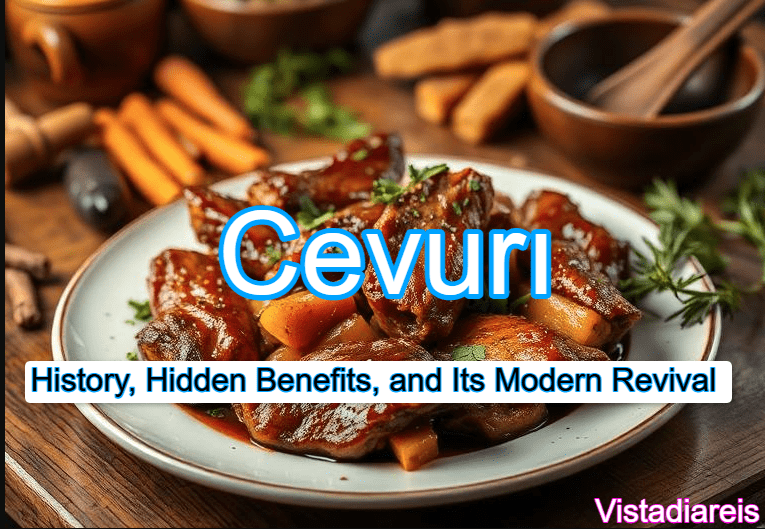
Cevurı is not just a dish, but a tradition of cuisine that is rooted in taste, culture, and techniques of the past. Renowned for its slow-cooked aroma and rich flavor, Cevuric has evolved throughout the course of generations, adapting to the kitchens of the present-day world without losing its original essence.
A Cooking Tradition Transformed into a Classic.
The history of Cevurai can be traced back several centuries, when the process of cooking was closely tied to community and celebration, as much as it was to the food itself. Conventionally, it was made at family events, feasts, and other special occasions.
Cevur is thought to translate to either ‘turn’ or ‘roast slowly’, as it was initially prepared: roasting meat or vegetables slowly over an open fire and turning them occasionally to achieve a smoky taste. This careful process gave the dish its distinctive touch and aromatic richness, which is not always attempted to be reproduced in modern times.
Read also: https://vistadiaries.com/toddler-lunch-ideas-delicious-balanced/
Ingredients That Make Cevurı Special
Cevuruye is so beautiful in its simplicity and symmetry. The typical main ingredients traditionally are:
- Lean meat, including lamb, chicken, or beef.
- Fresh herbs, e.g., thyme, rosemary, and parsley.
- Garlic, black pepper, and spices.
- Slow roasting should be done using olive oil or natural fats.
Contemporary versions can include vegetables, legumes, or plant-based proteins, which means that Cevurı can suit all dietary needs without sacrificing the original flavors.
Health Benefits Hidden in Every Bite
Cevurik is not only about taste, but it also has several other advantages in terms of nutrition:
- Massive amount of protein: Aids in building muscles and general energy.
- Digestive Aid: The herbs and spices have natural effects that boost the digestive system and intestines.
- Immune Support: Slow Cooking of the food preserves nutrients to aid immunity.
- Considerate & Adaptable: May contain whole grains, legumes, or vegetables as healthier and contemporary meals.
Cevurı in Modern Cuisine
A culinary renaissance has occurred in Cevur in recent years. Chefs and food lovers are reinventing the dish, developing both traditional and innovative recipes.
- Vegetarian or vegan Grilled vegetable Cevurı.
- Cevurri is made of richly marinated herb-infused chicken or lamb.
- General modern plating in restaurants or social media presentation.
Its resurgence highlights that ancient flavors and simplicity can coexist with the latest trends in nutritional habits, making it attractive to both traditional and modern palates.
Cultural Significance
The enduring popularity of Cevurı is rooted in its emotional and cultural significance. It is not just a meal, but a family background, heritage, and a carefully crafted cooking story. Cevurui, a drink prepared and served to foster community, patience, and savoring flavors, is lost in the culture of fast-food restaurants.
Tips for Perfect Cevurı
- Go slow: Slow roasting is essential for flavor.
- Fresh ingredients: Fresh ingredients are different in terms of quality proteins and herbs.
- Use spices in moderation: They should only complement, not dominate.
- Think outside the box: Various other recipes can be used in their essence without sacrificing flavor when it comes to grains, vegetables, or light oils.
Conclusion
Cevur will always be a classic culinary masterpiece – a meal uniting the old with the moderns, both in terms of taste and essential vitamins and minerals. The slow cooking tradition, with its cultural relevance and flexibility, makes it applicable to contemporary kitchens. Cevurun Ahili (in its traditional version) or, reinvented to suit the tastes of the modern era, Cevurun Ahili remains an inspiration to both culinary professionals and amateur cooks.
When you eat Cevuriki, you are not only enjoying a meal, but you are also communing with history, culture, and the art of culinary excellence. It serves as a reminder that good food is a combination of tradition, patience, and care, and that old concepts can flourish even in contemporary restaurants.