
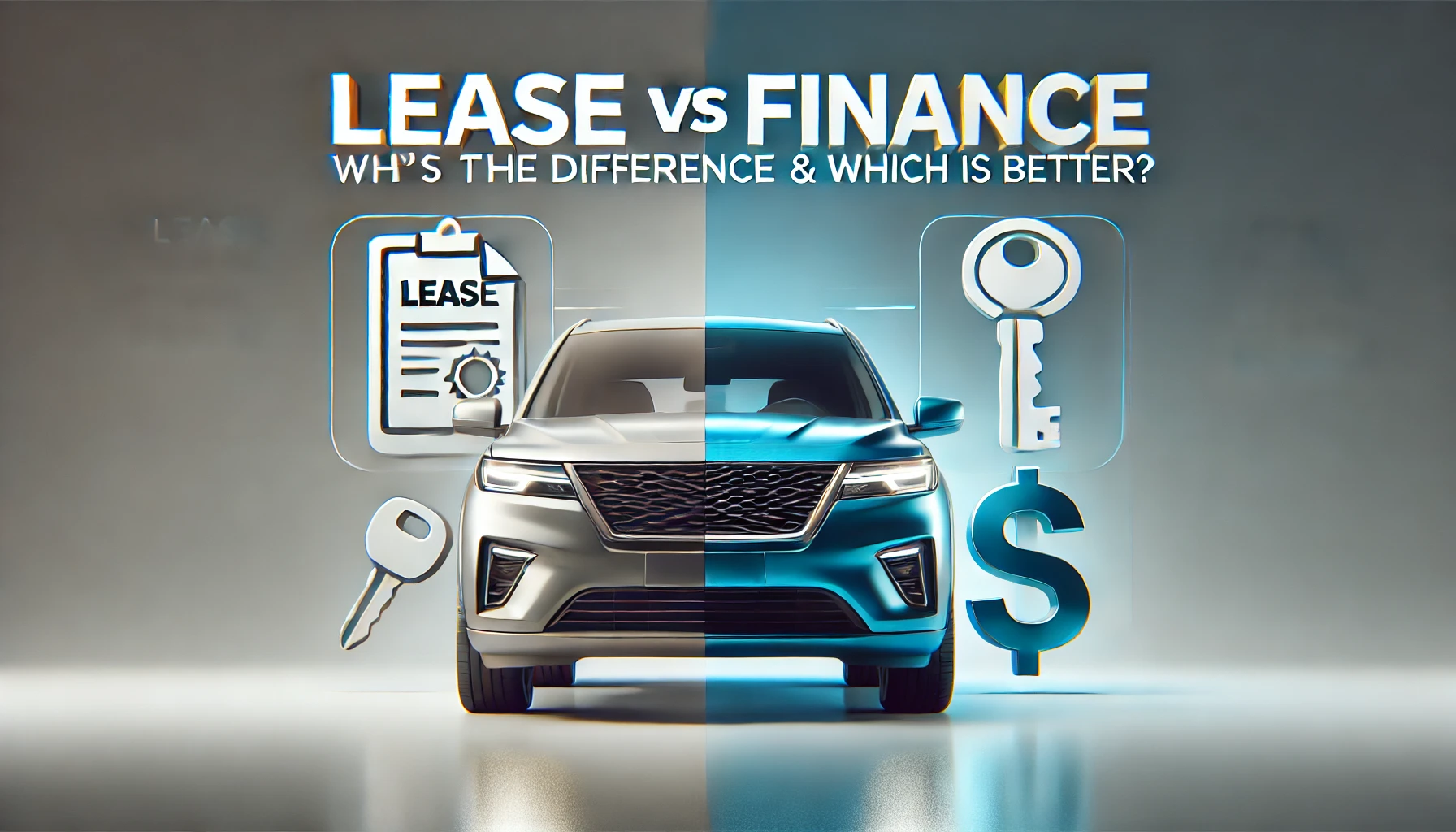
Choosing between leasing and financing a car can be confusing, especially when you’re trying to understand the difference between lease and finance car options. In simple terms, leasing lets you drive a new car for a set time with lower monthly payments, while financing means you’re buying the vehicle through a loan and will own it once payments are done.
The real lease and finance car difference comes down to ownership, mileage limits, upfront costs, and long-term value. Leasing is ideal for drivers who want a new car every few years, while financing is better for those who want full ownership with no restrictions. Knowing the difference between leasing and financing a vehicle helps you choose the option that fits your lifestyle and budget.
This guide clearly and professionally breaks down the differences between leasing and financing a car so you can make the best decision for your budget and driving needs.
What Is a Car Lease?
A car lease is essentially a long-term rental agreement. You pay a monthly fee to use the vehicle for a set period—usually 24 to 48 months. Once the lease term ends, you return the car unless you choose a buy-out option.
✔ Key Features of Leasing:
-
Lower monthly payments
-
You only pay for depreciation, not the full vehicle price
-
Mileage limits (usually 10,000–15,000 miles/year)
-
You must return the car in good condition
-
Wear-and-tear charges may apply
-
Great for people who want a new car every few years
Ideal for:
Drivers who want lower payments, enjoy having new cars often, and don’t plan to modify or own the vehicle long-term.
Read also: https://vistadiaries.com/car-insurance-for-new-drivers-complete-guide-2025/
What Is Car Financing?
Car financing—often called a car loan—means you borrow money to purchase the vehicle. Once you complete your payments, the car becomes 100% yours.
✔ Key Features of Financing:
-
Higher monthly payments compared to leasing
-
No mileage restrictions
-
You can modify or customize the vehicle
-
You build equity as you pay down the loan
-
You can sell or trade the car anytime
Ideal for:
Drivers who want long-term ownership and don’t want lease restrictions.
Difference Between Lease and Finance Car (Simple Breakdown)
Below is the most straightforward explanation of the difference between lease and finance car options:
| Feature | Leasing a Car | Financing a Car |
|---|---|---|
| Ownership | You don’t own it; you return it | You own the car after payments |
| Monthly Payments | Usually lower | Usually higher |
| Mileage Limits | Yes (fees apply if exceeded) | No limits |
| Upfront Costs | Often lower | Down payment required |
| End of Term | Return, renew, or buy out | Own, trade, or sell |
| Wear & Tear Fees | Yes | No penalties |
| Customization | Not allowed | Fully allowed |
This table summarizes the key differences between leasing and financing car options for easy reference.
Upfront Costs: Which Is Cheaper?
Leasing:
-
Lower down payment
-
Lower upfront costs
-
Sometimes requires only the first month’s payment and fees
Financing:
-
Larger down payment (10–20% recommended)
-
Higher initial costs
-
Taxes are included in the loan amount
The difference between a lease and a car loan becomes clear here—financing requires more upfront money, while leasing is easier on the wallet.
Monthly Payments: Why Leasing Is Often Cheaper
Lease payments are usually lower because you’re only paying for the car’s depreciation during the lease term, not the full price.
Monthly financing payments are higher because you’re paying the full value of the vehicle.
But while leasing costs less each month, financing saves more in the long run because you eventually own the car.
Mileage Limits: A Major Lease Restriction
Leasing includes strict mileage limits:
-
10,000
-
12,000
-
15,000 miles per year
Going over the limit costs $0.15–$0.30 per mile.
Financing has no mileage restrictions, making it better for daily commuters, road trip lovers, or rideshare drivers.
Wear and Tear: Leasing Comes With Fees
Leasing companies charge for:
-
Scratches
-
Dents
-
Interior damage
-
Excessive tire wear
In financing, you can return or sell the car without penalties—even with wear and tear.
Car Customization: Only Allowed With Financing
If you want to:
-
Add custom wheels
-
Change the exhaust
-
Wrap the car
-
Install aftermarket upgrades
You must finance. Leased vehicles must remain stock.
End of Term: What Happens?
At the end of a lease, you can:
-
Return the car
-
Extend the lease
-
Start a new lease
-
Buy the car
At the end of a car loan:
-
The car is entirely yours
-
You can sell or trade it
-
You can own it debt-free for years
This significant difference between owning and leasing a car often determines which option drivers prefer.
Long-Term Cost Differences
Leasing Cost Over 6 Years:
You lease twice → pay for two depreciations
You never own the car
Financing Cost Over 6 Years:
You finance once → pay off the loan
You own the car afterward
You can drive payment-free for years
Financing wins in long-term savings.
Which Option Should You Choose?
✔ Lease a Car If:
-
You want low monthly payments
-
You replace cars often
-
You drive a few miles
-
You want the newest models regularly
-
You prefer warranty-covered driving
✔ Finance a Car If:
-
You want ownership
-
You drive long distances
-
You want to customize the vehicle
-
You want to save money long-term
-
You don’t wish to impose mileage limits
Final Thoughts
Understanding the differences between leasing and financing car options helps every driver make smarter decisions. Leasing is ideal for those who want flexibility and lower payments, while financing is best for drivers seeking ownership and long-term savings.
Both options have advantages—what matters is which one fits your budget, lifestyle, and driving habits.