

If your car insurance suddenly went up, you’re not alone. Many drivers see higher premiums even when they haven’t filed a claim or changed vehicles. The truth is, insurance rates rise for several reasons—some based on your personal profile, and others caused by industry-wide trends you can’t control.
Below is a clear, simple, and accurate breakdown of why your auto insurance increased and what you can do about it.
1. Rising Repair Costs Across the Industry
Vehicles today are packed with advanced sensors, electronics, and expensive parts, making even minor repairs cost much more than before.
Insurance companies adjust prices to keep up with:
-
expensive car parts
-
higher labor costs
-
shortages of replacement components
-
increased repair time
This is one of the most common reasons behind the nationwide car insurance rate increases.
2. Inflation and Higher Claim Payouts
Inflation affects every industry—including insurance.
When the cost of:
-
medical care
-
vehicle repairs
-
legal fees
-
replacement vehicles
When premiums go up, insurers raise them to offset rising expenses. This often causes auto insurance to go up for no apparent reason, even if you have a clean driving record.
Also Read: https://vistadiaries.com/car-insurance-for-new-drivers-complete-guide-2025/
3. Increased Accident Frequency in Your Area

If your city or ZIP code sees a rise in:
-
accidents
-
hit-and-run cases
-
uninsured drivers
-
traffic congestion
Your premium may increase automatically. Insurance companies calculate risk based on location, so even if you drive safely, your area’s risk profile can push your rates higher.
This is a significant factor behind the long-tail search query:
“Why did my car insurance go up even though I didn’t do anything?”
4. Your Personal Driving History Changed
Even small updates in your history can affect your rate:
-
recent speeding tickets
-
minor violations
-
small claims
-
at-fault accidents
-
gap in coverage
-
change in commute distance
Insurance companies consider these “risk indicators,” which can trigger a price increase during renewal.
5. Insurance Score or Credit Score Changes
Many states allow insurance companies to use your insurance-based credit score to calculate your premium.
If your credit score has recently:
-
dropped
-
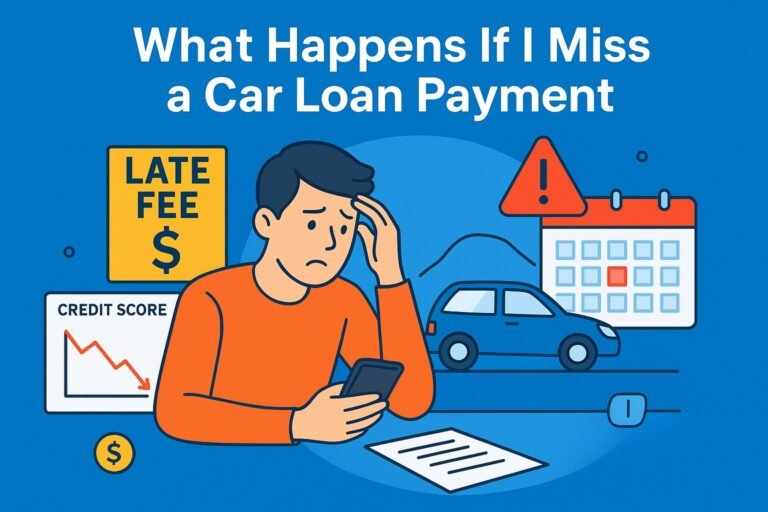
had late payments
-
increased debt
Your insurance rate may rise—even if your driving habits stayed the same.
This often shows up as:
“Why did my car insurance go up for no reason?”
But behind the scenes, your insurance score changed.
6. Your Car Is Now Considered a Higher Risk
Some vehicles become more expensive to insure over time based on:
-
theft rates
-
repair costs
-
safety rating updates
-
new risk data from insurers
Even if your car is older, new statistics may reveal that it costs more to repair or is more commonly stolen, which can raise your premium.
7. You Lost a Discount Without Realizing It
Drivers sometimes lose discounts, such as:
-
safe driver discount
-
low-mileage discount
-
loyalty discount
-
multi-policy discount
-
good student discount
When one of these disappears, the premium goes up.
Many readers search this under the long-tail query:
“Why is my car insurance higher this year compared to last year?”
8. Weather-Related Damage Claims Are Increasing
Flooding, hailstorms, wildfires, and other severe weather events have become more frequent. Insurance companies pay out billions in weather-related claims each year, which affects everyone’s premiums—even drivers nowhere near the affected area.
9. More Uninsured Drivers on the Road
When uninsured drivers cause accidents, insurance companies must cover the costs. This leads to higher:
-
liability rates
-
uninsured motorist coverage
-
medical coverage costs
This trend leads to widespread auto insurance price increases regardless of your driving record.
10. Fraudulent Claims Affect All Drivers
Insurance fraud—such as staged accidents or false injury claims—costs insurers millions each year. That cost is passed to all policyholders through higher premiums.
Also Read: https://vistadiaries.com/how-car-insurance-works-in-the-usa/
How to Stop Your Car Insurance From Increasing
Here are practical steps to reduce your costs:
✔ Compare quotes from multiple insurers
Sometimes switching companies saves hundreds.
✔ Ask your insurer about eligible discounts
You may qualify for:
-
safe driver
-
telematics (app-based tracking)
-
low mileage
-
multi-policy
-
homeowner
-
student discounts
✔ Increase your deductible
A higher deductible usually means a lower monthly payment.
✔ Improve your credit score
This can significantly reduce rates in many states.
✔ Review your coverage
You may be paying for coverage you no longer need.
Conclusion
If you’ve been wondering, “Why did my car insurance go up?”, the answer often lies in a mix of personal factors and broader industry changes. Even if you’re a safe driver with no claims, rising repair costs, inflation, accident rates, and loss of discounts can increase your premium.
Understanding the real reasons behind rate increases helps you make smarter decisions, compare options, and potentially lower your insurance costs in the future.