

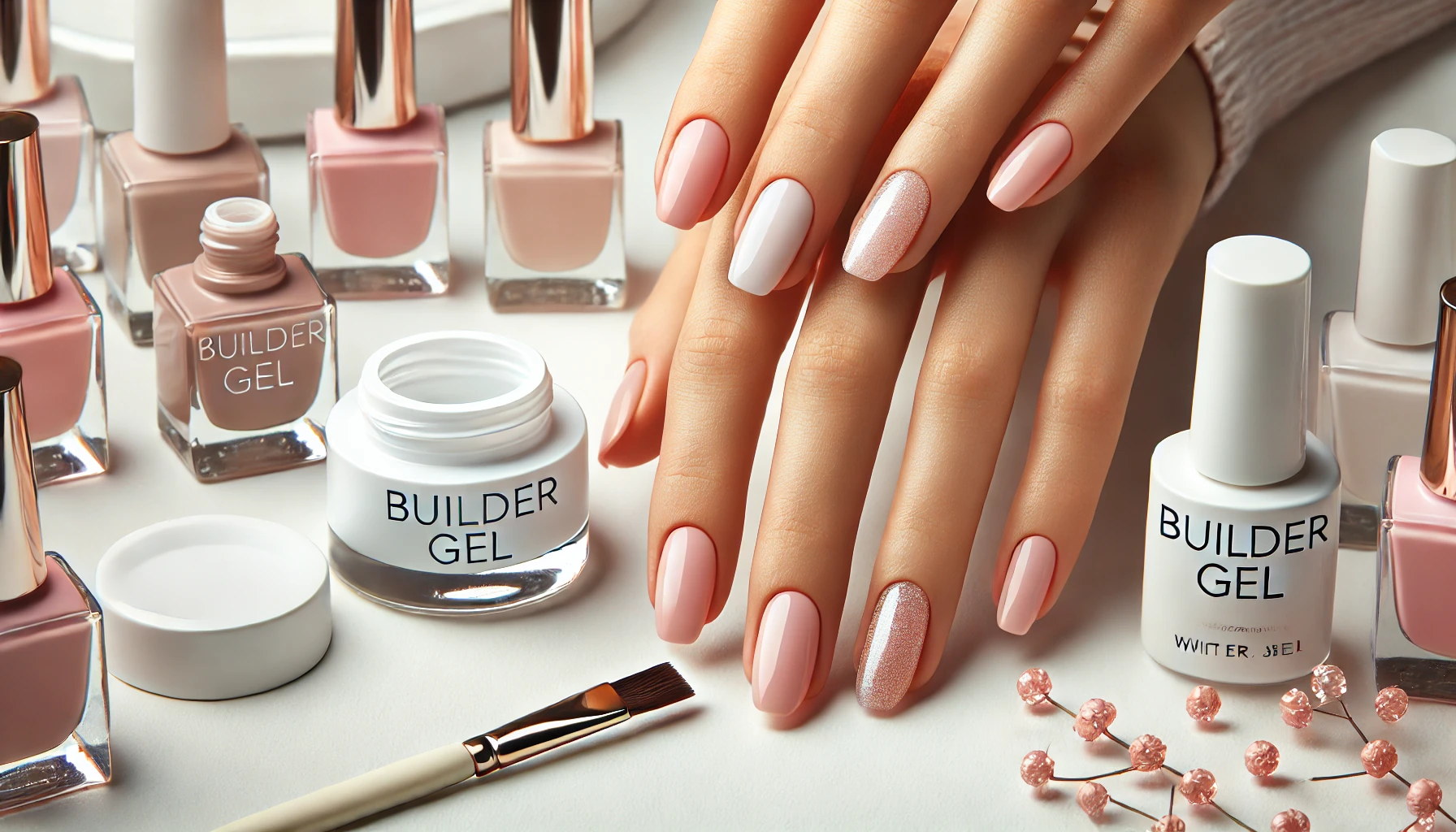
Builder gel is currently one of the most popular products in the nail care industry, particularly among those seeking stronger nails, long-lasting manicures, and a lightweight alternative to acrylics. Whether you’re an amateur, a nail technician, or someone looking to grow natural nails, understanding builder gel can help you achieve salon-quality results at home.
This guide will separate the precise definition of builder gel, how it is used, its advantages, and its comparison to other nail enhancement gels.
What Is Builder Gel?
The builder gel is a thicker, more potent gel applied to nails to give them structure and hardness. In contrast to regular gel polish, builder gel is able to:
-
Strengthen weak nails
-
Repair cracks
-
Create nail extensions
-
Add shape and structure
-
Provide a smooth base for gel polish
Due to its heavier texture, it can be applied as a gel overlay for natural nail growth or as short-to-medium-length nail extensions in forms or tips.
Builder gel comes in two types:
-
Soft builder gel (soak-off builder gel) — flexible, easier to remove
-
Hard builder gel — stronger, ideal for extensions, must be filed off
Key Benefits of Builder Gel
Builder gel offers a variety of advantages compared to regular gel polish or acrylics:
1. Strengthens Weak or Brittle Nails
It strengthens the natural nail, making it more challenging and less likely to break. This renders builder gel ideal for individuals with soft, peeling, or weak nails.
2. Ideal for Natural Nail Growth
The gel, which supports the nail plate, assists natural growth without chipping.
3. Lighter and More Flexible Than Acrylic
Some users like this lightweight feel, and the builder gel is much more convenient to wear daily.
4. Can Be Used for Extensions
Builder gel can be used to apply short to medium-length nail extensions with nail forms, which are excellent when the client does not use acrylic powder.
5. Produces a Smooth, Professional Finish
It levels itself (self-leveling), reducing bumps and ridges.
Builder Gel vs. Hard Gel vs. Acrylic: What’s the Difference?
Knowing the differences helps you choose the right product:
Builder Gel
-
Medium to thick viscosity
-
Ideal for overlays and short extensions
-
Flexible and natural-looking
-
Soak-off options available
Hard Gel
-
Stronger, designed for longer extensions
-
Cannot be soaked off—requires filing
-
Better for clients who want long or dramatic shapes
Acrylic
-
Powder–liquid system
-
Very strong and durable
-
More rigid, has a more pungent scent
-
Requires more filing and shaping
Builder gel is the ideal middle-ground option: strong, flexible, natural, and easier to work with.
How to Apply Builder Gel (Step-by-Step)
Here is a simple builder gel application process suitable for beginners:
1. Prep the Nails
-
Push back cuticles
-
Remove shine with a fine buffer
-
Clean the nail plate with alcohol or cleanser
2. Apply a Base Coat (optional, depending on system)
Cure under a UV or LED lamp.
3. Apply a Thin Slip Layer
This helps the builder gel self-level more easily.
4. Build the Structure
Apply a thicker layer to the center of the nail, creating a smooth apex for strength.
Cure under the lamp.
5. Shape and File (if needed)
Once cured, refine the shape using a nail file.
6. Apply Gel Polish or Top Coat
Seal the manicure using a shiny or matte top coating.
Builder gel is exceptionally effective for natural nail overlays and short extensions.
How Long Does Builder Gel Last?
An average-quality builder gel manicure is expected to last 3-4 weeks, depending on nail growth and lifestyle. Its longevity would make it one of the most efficient products for long-lasting nails without frequent salon visits.
How to Remove Builder Gel
Soft builder gel (soak-off type) can be removed like gel polish:
-
File the top layer
-
Soak nails in acetone for 10–15 minutes
-
Gently push off the softened gel
Hard builder gel requires filing only and should be done carefully to avoid damaging the natural nail.
Who Should Use Builder Gel?
Builder gel is perfect for:
-
People with weak or brittle nails
-
Clients who want natural-looking strength
-
Anyone wanting a long-lasting nail enhancement
-
Those looking for lighter alternatives to acrylic
-
Beginners who wish to achieve salon-quality results at home
Builder gel is one of the best products to use, whether you are doing a gel overlay, repairing broken nails, or growing your natural nails.
Final Thoughts
The popularity of builder gel in the nail industry has been growing as it is strong, versatile, and has a natural finish. It provides an ideal mix of structure and flexibility, thus suitable for both professional nail technicians and consumers at home.
Nail builder gel could save you the hassle of having to cut, shape, and maintain long nails with beautiful shapes. With the correct application of nail builder gel, you are in a position to create stunning, shaped, and lasting nails with little effort.
Builder gel is one of the best alternatives to acrylics in case you want stronger and longer nails, or you want to have a reliable alternative to acrylics.