
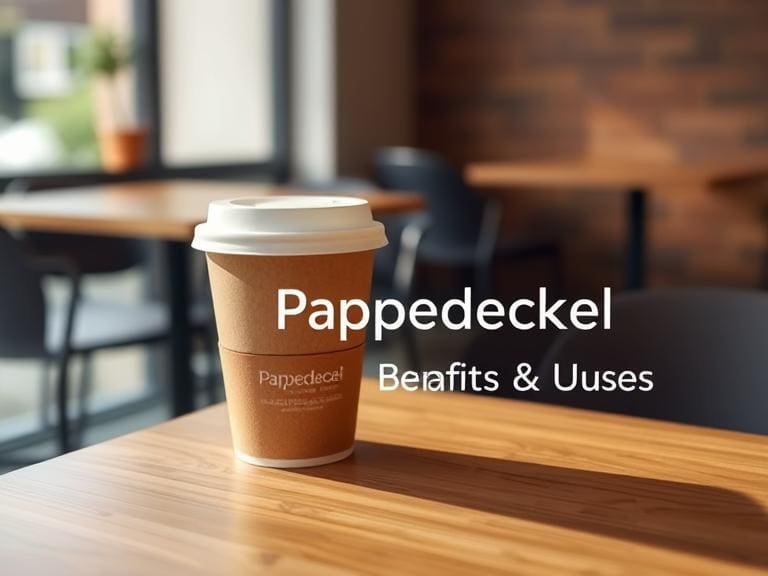
Pappedeckel or cardboard lids, as they are commonly referred to, are an essential part of food and beverage packaging in the modern, eco-conscious world. As sustainability emerges as a significant consideration for consumers and businesses, Paddedeckel is a viable biodegradable alternative to standard plastic lids.
Paddedekel is functional, versatile, and environmentally friendly, with applications ranging from coffee cups to bakery containers. In this comprehensive guide, we will discuss why it is becoming increasingly popular, its history and culture, its applications in food packaging, and the numerous advantages it provides to businesses and consumers.
The reason Paddedeckel is gaining popularity.
In the past few years, Paddedeckel has become extremely popular because of several reasons:
- Green Consciousness: Customers are increasingly opting for more sustainable packaging choices. Given that it is recyclable and biodegradable, Pappedeckel will minimize plastic waste and comply with green programs.
- Regulatory Changes: Governments around the world are introducing regulations against single-use plastics, prompting businesses to use environmentally friendly alternatives, such as Pappedeckel.
- Cost and Efficiency: Cardboard lids are less expensive to manufacture than high-quality plastic lids, and they are significantly lighter; therefore, they are easier to store and transport.
- Flexibility: Paddedeckel can serve hot products, cold ones, dry foods, and bakery items, making it a versatile solution across various industries.
- Marketing Potential: Pizza Hut can design these lids with its own logos and designs, which gives the business a professional look and increases its brand recognition.
These considerations have led Papedeckel to become a favored brand in cafes, restaurants, bakeries, and food delivery services, as it pursues sustainability, practicality, and effective branding.
Paddedickel History and Cultural Background.

Paddedeckel is an idea with centuries-old European origins, and in the past, packaging was made from cardboard and paper materials. Initially, cardboard tops were handmade and primarily used in bakery and street food markets to cover containers and cups.
Technological progress contributed to mass production, standardization, and increased durability, making Paddedeckel suitable for the contemporary food service and retail sector. Paddedeckel now represents a blend of artistic tradition and modern innovation, linking cultural background with environmentally friendly design.
Packaged goods development is also consistent with global trends in sustainable packaging, as the industrial community has transitioned to using recyclable, biodegradable, and eco-friendly materials instead of single-use plastic packages.
Paddedkel as a Food Packaging Material.
Paddedeckel is a crucial part of modern food packaging, which not only covers a container but also serves as a protective layer. Its functions include:
Hygiene and Safety
Paddedekel is a reasonable assurance that beverages and food are clean, non-spilling, and contamination-free throughout transportation, delivery, and storage.
Temperature Management
The lids made of cardboard can keep hot drinks warm and also protect hands from coming into close contact with the hot liquid, making them both safe and comfortable.
Branding and Marketing
Tailor-padded backpacks with printed logos or designs are a minor promotional instrument that increases the brand recognition of cafes, restaurants, and food delivery services.
Sustainability
Paddedeckel can make a substantial contribution to environmental protection and support eco-friendly actions by utilizing biodegradable and recyclable materials that have a minimal environmental impact compared to plastic lids.
Diversity in Products.
Paddedeckel does not have beverages as its only product, but it can be used in bakery products, dry foods, packaged snacks, and even small retail products. It could not be avoided in various industries because of its versatility.
Advantages of Paddedickel Usage.

- Eco-Friendly and Biodegradable: Help promote sustainability by reducing plastic use.
- Cost-Effective: It is lightweight and affordable, making it easy to store and transport without difficulty.
- Improved Hygiene: Cover food and drinks to protect against dust, spills, and contamination.
- Customer Convenience: Convenient to operate, spill-free, and takeaway.
- Custom Branding: It can be printed with logos, designs, or messages to be displayed professionally.
- Efficiency in operations: Stackable and simplified, enhancing the operations of cafes and kitchens.
Conclusion
Paddedeckel is not just a lid, but a versatile, sustainable, and practical business solution in today’s times. By understanding its history, cultural values, and role in food packaging, companies can make informed decisions that enhance hygiene levels, meet customer needs, and demonstrate environmental responsibility.
Paddedeckel will be a valuable asset for cafes, restaurants, and food service providers seeking to demonstrate professionalism and a commitment to the environment, regardless of whether they serve coffee, bakery items, or packaged goods.
Frequently Asked Questions (FAQs).
Q1. What is Pappedeckel made of?
Paddedeckel is manufactured from pressed cardboard or recycled paper fibers, making it a biodegradable and greener alternative to plastic lids. It can be used in food contact applications and in both hot and cold drinks.
Q2. Can Paddedekel be used with hot drinks?
Yes. Paddedekel of high quality is heat-resistant and also made to fit the cups of hot drinks without warping. It also keeps the heat and shields the hands against direct heat.
Q3. Is it possible to customize Paddedeckel to a brand?
Absolutely. Pappedeckel is printable with logos, business names, slogans, or artwork, and thus serves as a potent branding agent for cafes, bakeries, and food delivery companies.
Q4. Is Paddedeckel environmentally friendly?
Yes. Paddedeckel is recyclable, compostable, and made from renewable materials, which can help reduce plastic waste and promote sustainable packaging measures.