

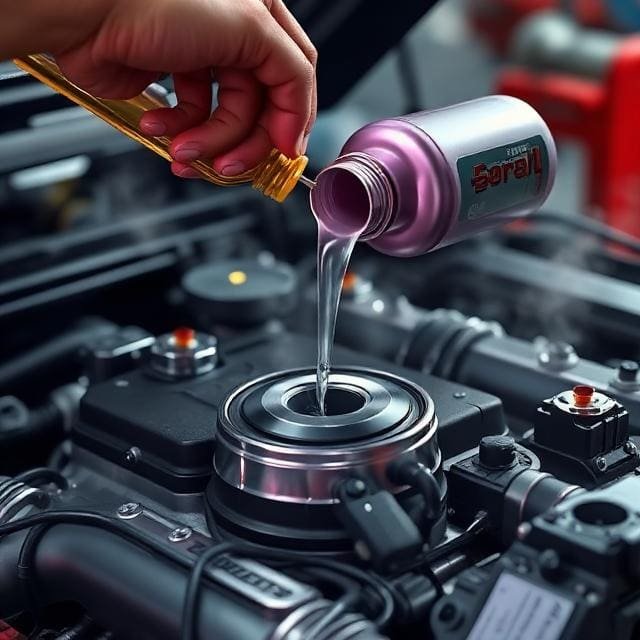
A car burning oil is a common issue that can silently damage your engine if ignored. It happens when engine oil enters the combustion chamber and burns instead of staying in the oil pan. This can lead to blue smoke from the exhaust, unusual burning smells, and rapid oil consumption. Understanding why your car burns oil, recognizing the warning signs, and knowing how to fix it can save you from costly repairs and extend your engine’s life. In this guide, we’ll cover the main causes, symptoms, solutions, repair costs, and preventive tips, helping you diagnose and manage oil-burning issues effectively.
What Does It Mean When a car burning oil
Simple Explanation
A car is considered burning oil when the engine burns oil inside the combustion chamber.
This happens when piston rings valve seals or the PCV valve allow engine oil to enter the cylinders and burn.
Burning Oil vs Oil Leaking
-
Oil Leaking: Oil drips outside the engine.
-
Oil Burning: Oil burns inside the engine.
-
Oil Loss Without Leak In 90% of cases, it means the car is burning oil but not leaking.
How Do I Know My Car Is Burning Oil
It is not as difficult as most drivers suppose to know whether your car is wasting oil or not. The most noticeable symptom is the rapid decrease in the amount of engine oil even in cases where there are no leaks beneath the vehicle. When you fill it up and again after few days or weeks your engine is burning oil itself. Another good sign is blue or bluish-grey exhaust smoke particularly at acceleration or cold start. Along with this a car burning oil smell inside or outside the cabin is often a clear warning that your car is burning oil and needs inspection.
Signs & Symptoms Your Car Is Burning Oil
Some signs are very obvious while others appear gradually
Common Symptoms
-
Blue smoke from the exhaust
-
Burning oil smell from the car
-
Rough engine idle or misfires
-
Rapid drop in oil level
-
Oil burning smell inside the cabin
-
Car burning oil fast
-
Car smells like burning oil but no external leak
Important Note
If you notice a car burning oil smell along with a gas-like smell from the AC, check it immediately reed
Car AC Smells Like Gas? Dangerous Causes You Shouldn’t Ignore
Why Is My Car Burning Oil? (Top Causes)
1. Worn Piston Rings
In older engines, piston rings wear out, allowing oil to enter the combustion chamber and burn.
Symptoms: Blue smoke + high oil consumption
2. Leaking Valve Seals
Weak or damaged valve seals allow oil to leak into the exhaust and combustion chamber.
3. Faulty PCV Valve
A clogged PCV valve increases crankcase pressure, causing oil to burn faster.
Symptoms:
-
Strong engine oil smell
-
Excessive oil consumption
-
Burning oil inside the car
4. Wrong Oil Viscosity
Too-thin oil burns faster. For high-mileage engines, thicker oil is recommended.
5. High Mileage Engine Wear
After 150k–200k miles, oil burning becomes very common.
Why Can You Smell Burning Engine Oil?
You can smell burning engine oil when hot engine parts come into contact with leaking or vaporizing engine oil. Oil can drip onto components like the exhaust manifold, turbocharger housing, or catalytic converter—creating a sharp, distinct burning smell. Another reason is internal oil burning, where worn piston rings or valve seals allow oil to enter the combustion chamber, leading to fumes that sometimes enter the cabin. A burning oil smell should never be ignored because it often indicates serious engine wear or hidden leaks.
2 How to Tell If Your Car Is Burning Oil
You can diagnose oil burning at home or with simple inspections.
Quick Diagnosis
-
Check oil level using the dipstick
-
Observe blue smoke from the exhaust
-
Smell for burning oil inside or outside the car
-
Remove spark plugs and inspect for oil residue
-
Perform an engine compression test
Car Burning Oil Causes Summary
Main Causes
-
Worn piston rings
-
Leaking valve seals
-
Clogged PCV valve
-
Incorrect engine oil
-
Engine overheating
-
High mileage wear
How to Fix a Car Burning Oil (Step-by-Step)

1. Replace PCV Valve (Most Common Fix)
-
Cost: $20–$80
-
Fixes about 70% of cases
2. Use High Viscosity Oil
-
Thicker oil slows down burning
-
Example: 10W 40 or 20W 50 for older engines
3. Use Oil Additives
Oil additives can temporarily reduce piston blow by
Examples:
-
Liqui Moly Oil Saver
-
Lucas High Mileage Treatment
4. Replace Valve Seals
-
Cost: $250–$6005. Replace Piston Rings (Major Repair)
-
Cost: $1,000–$2,500
-
Often required for high-mileage engines
4. Low Oil But No Leak? You’re Probably Burning Oil
If your oil level keeps dropping but you dont see any leaks on the ground, then your car is almost certainly burning oil internally. Inside the engine worn piston rings valve seals or cylinder walls can allow oil to pass into the combustion chamber and burn along with fuel. This problem may not leave any external leak marks making it harder to detect. Drivers often discover it only when they smell burning engine oil or see smoke from the exhaust Ignoring this can eventually cause engine damage due to low lubrication
5. How Much Oil Should My Car Burn?
The design of most contemporary vehicles has been to consume very little oil, in most cases the consumption is between 0.5 to 1 quart of oil in every 3, 000-5000 miles. There are however some engines that take a little more as a result of design tolerances. A consumption rate of over one quart per 1000 miles is high and it is time to have your car checked; maybe the rings are worn and the valve seals are defective. Always make sure to stop at the recommended consumption limits of the manufacturer recommended oil, anything beyond that is an indicator that your engine is in need of diagnosis immediately.
Engine Burning Oil Causes and Solutions
Engine burning oil can be caused by several internal and external issues. The most common causes are worn piston rings damaged valve seals clogged PCV valves and overheating. Each of these allows engine oil to enter areas where it shouldn’t be causing oil loss and smoke. Solutions include replacing worn seals fixing the PCV valve using high mileage engine oil or in severe cases performing an engine rebuild. The right solution depends on how advanced the wear or damage is.
Common Causes of Oil Burning in Engines
Common causes of oil burning include
-
Worn piston rings
-
Damaged valve stem seals
-
PCV system failure
-
Cylinder wall wear
-
Turbocharger oil seal leaks
-
Using wrong-grade engine oil
-
Clogged or dirty engine components causing overheating
These issues cause engine oil to move into the combustion chamber or leak onto hot surfaces resulting in that strong burning oil smell drivers often complain about.
Effective Solutions for Oil Burning
The best solutions for a car burning oil include:
-
Replacing worn piston rings or valve seals
-
Cleaning or replacing the PCV valve
-
Fixing gasket leaks near the exhaust
-
Using high-mileage or thicker engine oil
-
Regular oil changes to reduce sludge buildup
-
Fixing turbo oil leaks if applicable
These solutions help stop excessive oil consumption and prevent long-term engine damage.
How to Stop Your Car from Burning Oil
To stop your car from burning oil start by checking your PCV valve as a faulty one is a common and inexpensive fix. Next switch to high-mileage engine oil which contains seal conditioners that reduce oil burning. If the issue persists a mechanic should inspect your piston rings valve seals and gaskets for wear. Regular maintenance and using the correct oil grade can also significantly reduce the chances of burning oil
How to Deal with Car Smells Like Burning Oil
If your car smells like burning oil the first step is to check for leaks around the valve cover oil pan and gaskets. Clean any oil sitting on hot engine parts. If there’s no external leak look for blue smoke from the exhaust which indicates internal oil burning. It’s also important to inspect the PCV system as a clogged valve can cause oil fumes to build up. And if the burning smell comes through the AC it may be a sign of something more dangerous like a gas leak so read this too:
Car AC Smells Like Gas? Dangerous Causes You Shouldn’t Ignore
Car Burning Oil Repair Cost
Full Price Breakdown (2025)
| Repair Type | Cost (USD) |
|---|---|
| PCV Valve | $20–$80 |
| Valve Seals | $250–$600 |
| Head Gasket | $900–$1,800 |
| Piston Rings | $1,000–$2,500 |
| Engine Rebuild | $2,500–$4,500 |
Is It Normal for a Car to Burn Oil
Some oil burning is normal in older high-mileage cars due to engine wear. In new car burning oil is abnormal and usually indicates a problem. Excessive oil loss should always be checked.
Conclusion Final Advice
If your car is burning oil it is usually a sign of worn piston rings leaking valve seals a faulty PCV valve or high engine wear. Ignoring car burning oil can lead to serious engine damage or even complete engine failure.
Key Takeaways
-
Check your PCV valve regularly and replace it if needed to prevent car burning oil
-
Use the correct oil viscosity recommended for your engine, especially in high-mileage cars to reduce car burning oil issues.
-
Monitor oil levels frequently to catch abnormal oil burning early
-
Pay attention to unusual smells such as burning oil or chemical odors inside the cabin.
If the burning smell is strong or entering the cabin don’t delay inspection it could indicate a serious issue. Acting early can save you costly repairs and extend the life of your engine ensuring your car burning oil problem doesn t worsen.