

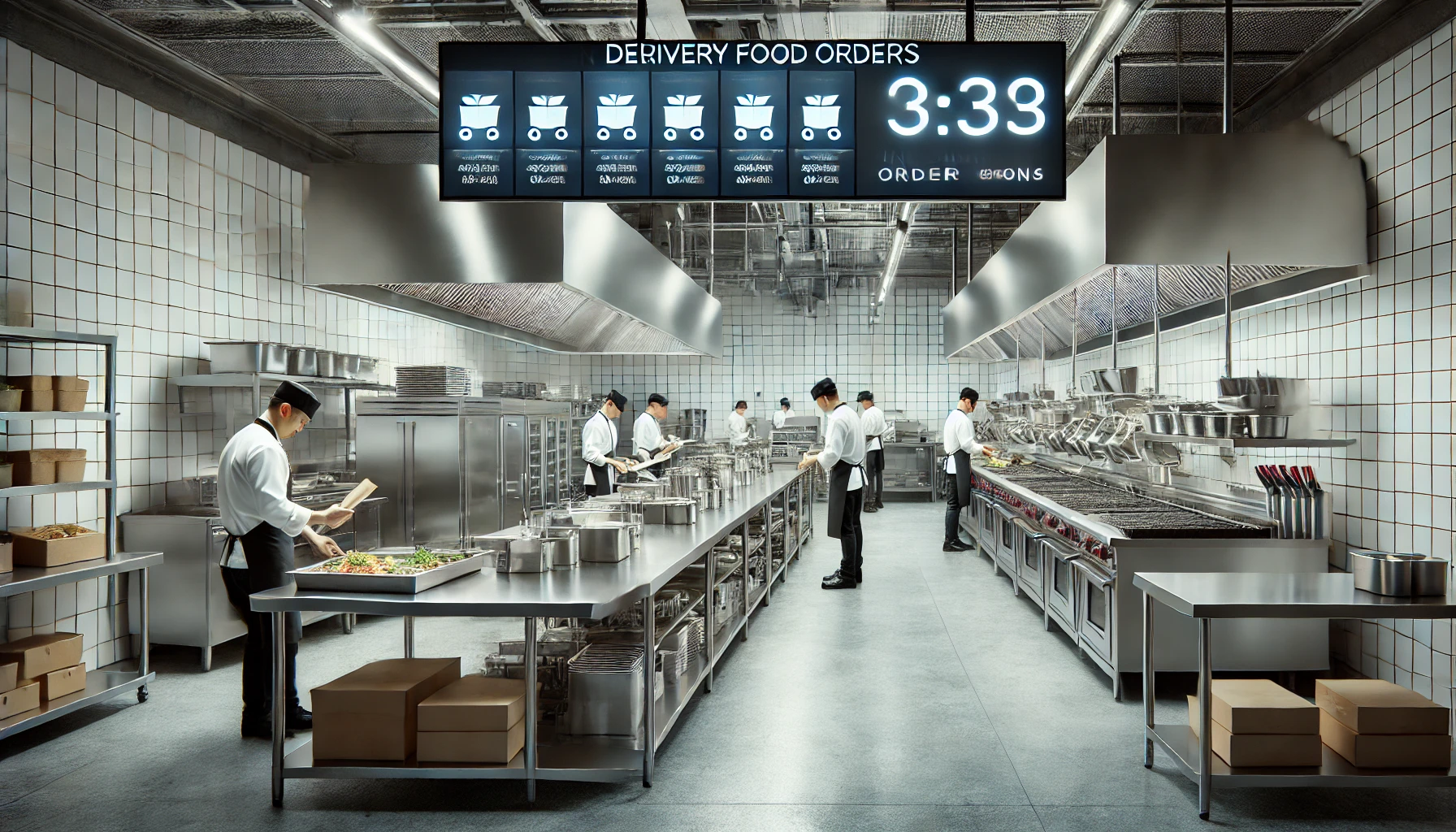
Ghost kitchens, also known as cloud kitchens, virtual restaurants, and delivery-only kitchens, are contemporary food companies that require online orders solely. They do not need a dining area, waiters, or costly interiors, as they have what is most important in their business: fast delivery, cost reduction, and profit-making food production.
With high rent and labour costs challenging the survival of traditional restaurants, ghost kitchens offer a new opportunity for entrepreneurs, home chefs, and small brands to launch a food business with low entry costs and high growth potential. You can operate multiple brands in the same kitchen, experiment with new menus quickly, and expand with real customer data.
And if you are reading about what a ghost kitchen is, how it works, or whether it is profitable, this guide will simplify it practically, so beginners and future business owners can get a clear picture of the opportunity.
What Is a Ghost Kitchen and Why Does It Matter
A ghost kitchen is a commercial kitchen built to deliver food online. It does not serve its customers on-premises. Instead, food is carried to you via apps, such as Uber Eats, Deliveroo, DoorDash, or through your own site.
The profit is that this model cuts the largest costs of a restaurant, such as dining area, furniture, waiters, and decorations, and leaves the businesses only with the food quality, speed, and delivery efficiency.
Why This Model Works Today
-
Consumers prefer ordering food at home
-
Delivery apps have become the new marketplace
-
Rent and labor costs have become incredibly high
-
People want fast, affordable meals without waiting
Ghost kitchens are designed precisely for these modern needs.
How a Ghost Kitchen Works (Clear & Simple)
A ghost kitchen follows a direct workflow:
1. Orders Come Through Delivery Apps
Users browse the menu, place an order, and pay online.
2. Kitchen Staff Prepares the Food
A streamlined process helps maintain consistency and speed.
3. Delivery Drivers Pick Up the Order
Apps assign a rider based on location and availability.
4. Customer Receives the Food
Fast delivery + good packaging = repeat customers.
Unlike traditional restaurants, ghost kitchens focus on speed, consistency, and high-volume delivery, not dine-in service.
Why Ghost Kitchens Are So Profitable (Actual Value & Insights)
Most articles only list generic benefits — but here are the real reasons ghost kitchens make money:
Lower Investment = Faster Break-even
You save on:
-
Restaurant interior
-
Dining space rent
-
Waitstaff salaries
-
High electricity bills
-
Decoration & seating
This alone helps new entrepreneurs start with 70% less money and still compete with top brands.
You Can Run Multiple Brands from One Kitchen
This is the biggest secret behind successful ghost kitchens.
One kitchen can run:
-
A burger brand
-
A wings brand
-
A pasta brand
-
A dessert brand
Same staff, same rent, same equipment — but 4× more revenue opportunities.
You Control the Menu Based on Data
Delivery apps show:
-
Which dishes sell the most
-
Which timings get the highest orders
-
What ratings customers give
-
Which areas need faster delivery
This helps you remove low-performing dishes and focus on what sells — improving profits drastically.
Scalable Without Extra Risk
If your brand works well in one location, you can:
-
Open a second ghost kitchen
-
Partner with shared kitchens
-
Expand into new delivery zones
You don’t need to build restaurants everywhere — just rent small kitchen spaces.
Challenges You Should Know (Honest, Practical Advice)
A ghost kitchen model is powerful, but not perfect. These challenges matter:
Competition on Delivery Apps
Thousands of brands compete on apps.
To rank higher, you must maintain:
-
Strong customer ratings
-
Fast delivery times
-
Low cancellation rate
Delivery apps reward good performance with better visibility.
Dependence on Platforms
Apps take 20–35% commission per order.
A strong brand with repeat customers can build its own ordering website later to reduce this cost.
Building Trust Digitally
Because customers never see your restaurant physically, success depends entirely on:
-
Customer reviews
-
Food quality
-
Brand identity
-
Packaging
Ghost kitchens that invest in branding perform much better.
Is a Ghost Kitchen Worth Starting? A Realistic Answer
If you want a business with:
-
Low risk
-
Low startup cost
-
Scalability
-
High profit potential
-
Future growth opportunities
Then yes, ghost kitchens are one of the best business models available today.
They are ideal for:
-
First-time entrepreneurs
-
Home chefs
-
Small restaurant owners
-
Cloud-based food startups
-
People who want a flexible food business
Ghost kitchens are not a trend — they are the future of food delivery.
Final Thoughts
A ghost kitchen is not a cheaper option to a restaurant; it is a smarter one. It enables you to develop a food brand that grows in line with delivery statistics, customer trends, and online demand. The appropriate approach can make a ghost kitchen profitable after a few months, not years.
When you speak of quality, branding, and effective operations, this business model could provide you with an ultimate edge in this delivery-driven world.