


All relationships start with that magical spark, the Butterflies, the excitement, the never-ending talks of the relationships, making time stop. This is an excellent phase of romance, commonly referred to as the honeymoon phase, because during this period, love seems easy, and your partner appears to be ideal. However, what is the honeymoon period, and what is the duration of that phase, and what happens upon its completion?
Now, it is time to explore the meaning of the honeymoon phase, its role in emotions, and how it lays the groundwork for a strong and healthy relationship.
💞What Is the Honeymoon Phase?
The early phase of a relationship is often referred to as the honeymoon phase, characterized by high levels of passion, attraction, and infatuation. At this stage, couples are deeply attached and intensely interested in one another. Each communication is unique, and both partners are likely to interpret each other in the best possible way.
According to psychologists, this is a period when the brain secretes chemicals known as feel-good chemicals, including dopamine, oxytocin, and serotonin, which give rise to feelings of euphoria and attachment. This chemical frenzy is the reason why the honeymoon period is so intoxicating and why the love appears unstoppable.
What Is the Duration of the Honeymoon Phase?

The honeymoon period varies for each couple; however, the average duration is typically six months to two years.
- When it comes to new relationships, the stage can be more lengthy because both partners are learning about each other.
- Long-term relationships or marriage may help it fade away more quickly, as life’s stress, routine, and responsibilities take precedence.
The happiness of the honeymoon is not the end of love; however, it marks the transition to the phase of compassionate love, rather than the passionate one —a stronger and more realistic one.
The significance of the Honeymoon Phase to Relationships.
The honeymoon phase is crucial to establishing emotional intimacy and trust. It creates the atmosphere in which couples communicate and connect, and also support each other as the relationship grows.
Here’s why it matters:
- Emotional Attachment: The level of attachment makes partners feel safe and adored.
- Essence of Trust: This is the stage when couples get acquainted with one another in terms of habits, fears, and dreams.
- Positive Association: Emotional memory is enhanced by the happiness present in this stage, which enables couples to resolve conflicts in the future with greater ease.
- Growth Catalyst: It helps people to put their best foot forward towards one another, nurturing empathy, patience, and understanding.
How long does the Honeymoon Phase Last – What Happens after that?
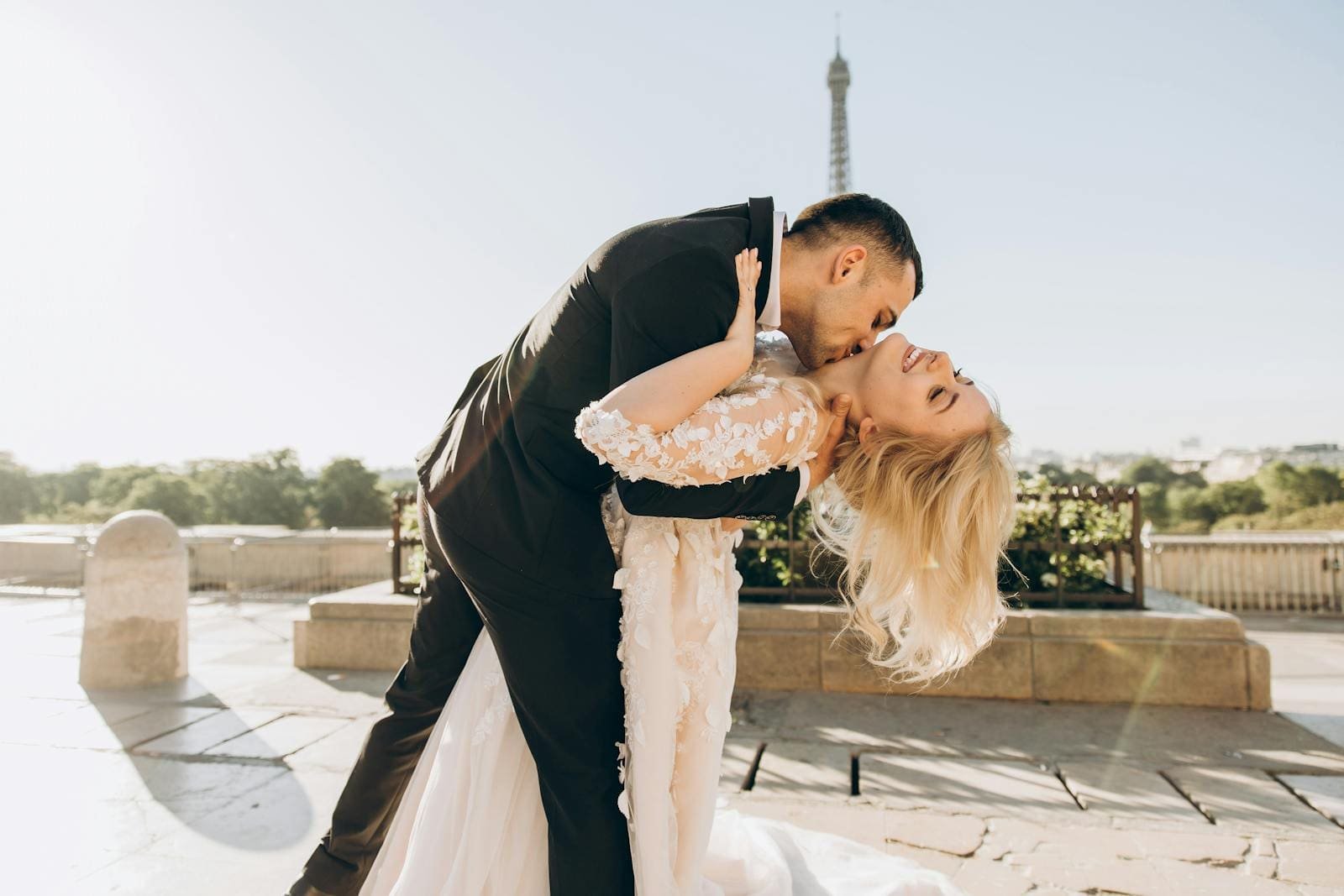
The honeymoon stage ends when partners begin to view each other realistically. Minor imperfections, differences in opinions, or ways of life start to become noticeable. This may seem like a difficult stage, but it’s the stage when love becomes something much more profound.
Couples begin to develop emotional maturity, respect, and a partnership, rather than relying solely on romantic love. Early infatuation is replaced by healthy communication, trust, and shared goals, and it is this shift that transforms short-term passion into long-term love.
Indications that the Honeymoon Phase Is Over:
- You begin to realize the flaws of your partner.
- Constant excitement is substituted with comfort.
- Routine activities of life become normal.
- Emotional attachment is greater yet less intense.
The Ways of maintaining the Spark after Honeymoon.
When the initial rush passes, couples may still experience closeness and connectivity by maintaining this bond with each other through deliberate effort.
This is how to ensure that love is successful past the honeymoon period:
- Keep dating each other: Plan small surprises or date nights.
- Show appreciation: Recognize your partner’s work daily.
- Speak out: Not only events, but also feelings.
- Put intimacy first: Physical and emotional contact keep passion alive.
- Develop together: Help one another to achieve your goals.
True love does not mean remaining in the honeymoon period forever, but it means growing together through all the seasons of life.
💬 Frequently Asked Questions (FAQs)
1. How long does the honeymoon phase last in a relationship?
The honeymoon phase usually lasts between six months and two years, depending on the couple. During this period, emotions run high, and partners experience an intense attraction and connection. As the relationship matures, this passionate stage gradually transforms into a deeper and more stable bond built on trust, respect, and understanding.
2. What happens when the honeymoon phase ends?
When the honeymoon phase ends, couples often notice a shift — the excitement settles, and daily life takes over. This doesn’t mean the relationship is weakening; it’s actually a sign of growth. The end of this phase enables partners to see each other more clearly, foster emotional intimacy, and cultivate a long-lasting love that extends beyond initial attraction.
3. Can the honeymoon phase come back?
Yes! While the initial intensity may fade, couples can rekindle the spark by investing time, effort, and affection into their relationship. Planning date nights, showing appreciation, communicating openly, and exploring new experiences together can reignite that early passion. Love evolves, but it never disappears if you nurture it.
4. Why is the honeymoon phase important in relationships?
The honeymoon phase lays the foundation for a strong, healthy relationship. It helps couples bond emotionally, build trust, and create positive memories that carry them through future challenges. This phase also fosters vulnerability and openness, setting the tone for more profound love and lasting emotional intimacy.
5. How can couples keep their relationship strong after the honeymoon phase?
To maintain a strong connection, couples should communicate openly, express gratitude, and continue to prioritize intimacy and quality time together. Sharing goals, being supportive, and resolving conflicts calmly are key to building a mature, fulfilling relationship that lasts well beyond the honeymoon phase.
Final Thoughts
The honeymoon stage can be short-lived, but its effect is everlasting. It is the feeling that sets the fire, leading to long-term companionship. As exciting as young love is, it does not last long, and a love founded on trust, understanding, and mutual growth takes its place.
Then stop worrying about the length of the honeymoon phase and think about the after-effect of the beautiful experience of establishing a real, deep, and lasting relationship.