

If you are looking for brighter, smoother, and more even skin in 2025, a lactic acid peel is one of the most beginner-friendly chemical exfoliants to try. AHA is a naturally occurring TCA (Transcarboxylic Acid) made from milk sugars that gently degrades the dead skin cells that have built up on the surface of your skin, making your face appear fresh and bright without harsh peeling or downtime. Compared to other chemical peels, the Lactic acid chemical peel is generally milder and more hydrating, which makes it perfect for many types of skin, especially for beginners.
What is a Facial Lactic acid peel?
A lactic acid peel for the face is a treatment in which a regulated amount of lactic acid is applied to the skin for a few minutes and then neutralised or washed off. It works because it breaks the bonds between dead, dull cells at the surface of your skin, allowing them to fall off. This can be performed either as a lactic acid facial peel at the clinic or as a lactic acid peel at home using low-strength products.
You will see a baby beginning to use a 10 percent lactic acid peel, and in professional settings, under skilled facilitation, a 30 percent lactic acid peel is used. Percentage refers to the strength of Peelpeel, and the more careful you have to be when it comes to timing the exfoliation and aftercare.
Reasons why a Lactic aPeelPeel is a great idea
When applied correctly, a lactic acid peel offers several observable advantages that can last a lifetime.
- As a result, the skin is more yellowish and glowing.
- Smoother look that allows makeup to wear better
- aiding in the appearance of uneven skin tone and minor cases of hyperpigmentation
- Improvement in the appearance of dark spots, post-acne marks, and some acne scars.
- Regeneration softens the appearance of lines and dry areas.
Because lactic acid is a naturally humectant acid, a lactic acid peel for dry skin is actually comfortable (if not more so than many other peels). It draws water into the skin and, therefore, is preferred over harsher acids, such as lactic acid, for individuals with dry or sensitive skin.
Lactic acid peel vs the other chemical peels
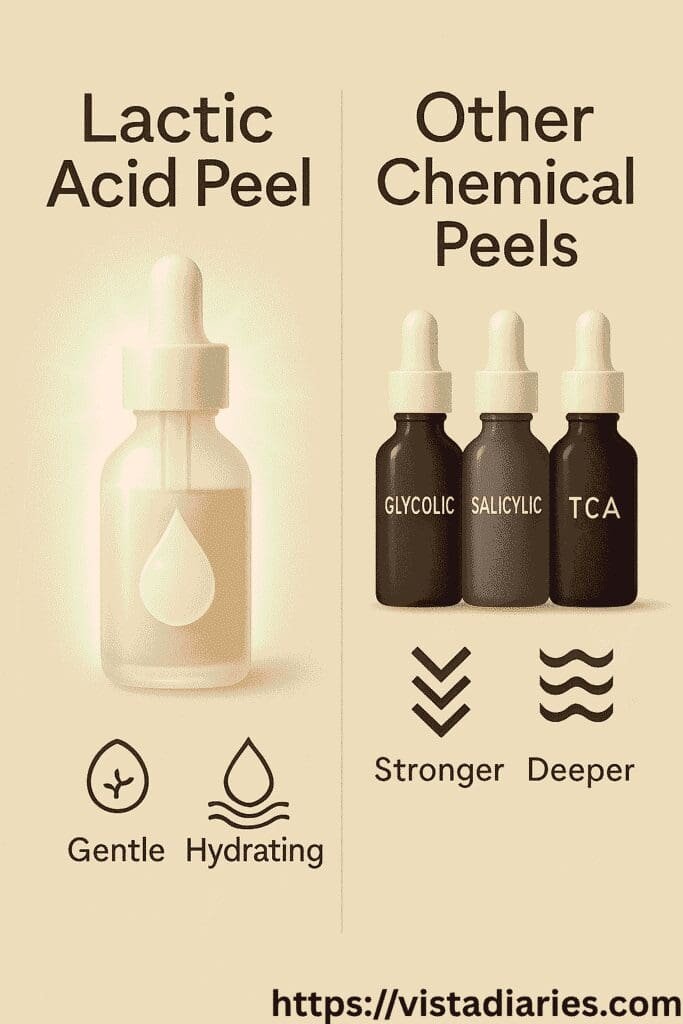
Many people compare the Lactic acid peel to the Glycolic Acid peel. Glycolic acid is smaller in molecular size, allowing it to penetrate deeper, which results in more vigorous exfoliation but also increases the risk of irritation. A light lactic acid peel remains more of an affront to the surface and is the better choice if you are new to acids or have sensitive skin.
Similarly, the topic of lactic acid peels vs. salicylic acid peels is another concern raised by acne-prone users. Salicylic acid is oil-soluble and works its way inside pores, which is ideal for active acne and blackheads. Lactic acid is a water-based product that works on tone and glow. Lactic acid is a perfect option for an acne scar lactic peel or a hyperpigmentation lactic peel. Active outburst areas can be treated more specifically with salicylic acid, whereas, in terms of evening tone, lactic acid can be employed cautiously.
Who Should Use Lactic Acid Peel and How Often?
- A face lactic acid peel is appropriate for a variety of skin types.
- Tired and dull skin that needs a glow-up.
- Lactic acid peel, which helps in hyperpigmentation, dark spots, and melasma.
- Lactic acid peel for skin tone and the smoothness of skin.
- Cautious beginning clients who need a gentle lactic acid peel for beginners
If you have rather sensitive and already damaged or very inflamed skin, on the other hand, always consult a dermatologist beforehand. You can use a 10% lactic acid peel every night, alternating with cleansing, to assess how your skin reacts to the lactic acid. However, avoid using retinoids or other harsh acids on the same night as the lactic acid peel. Strong acids, such as the 30 percent lactic acid peel, should only be used by professionals.
Side Effects, Safety & Aftercare.
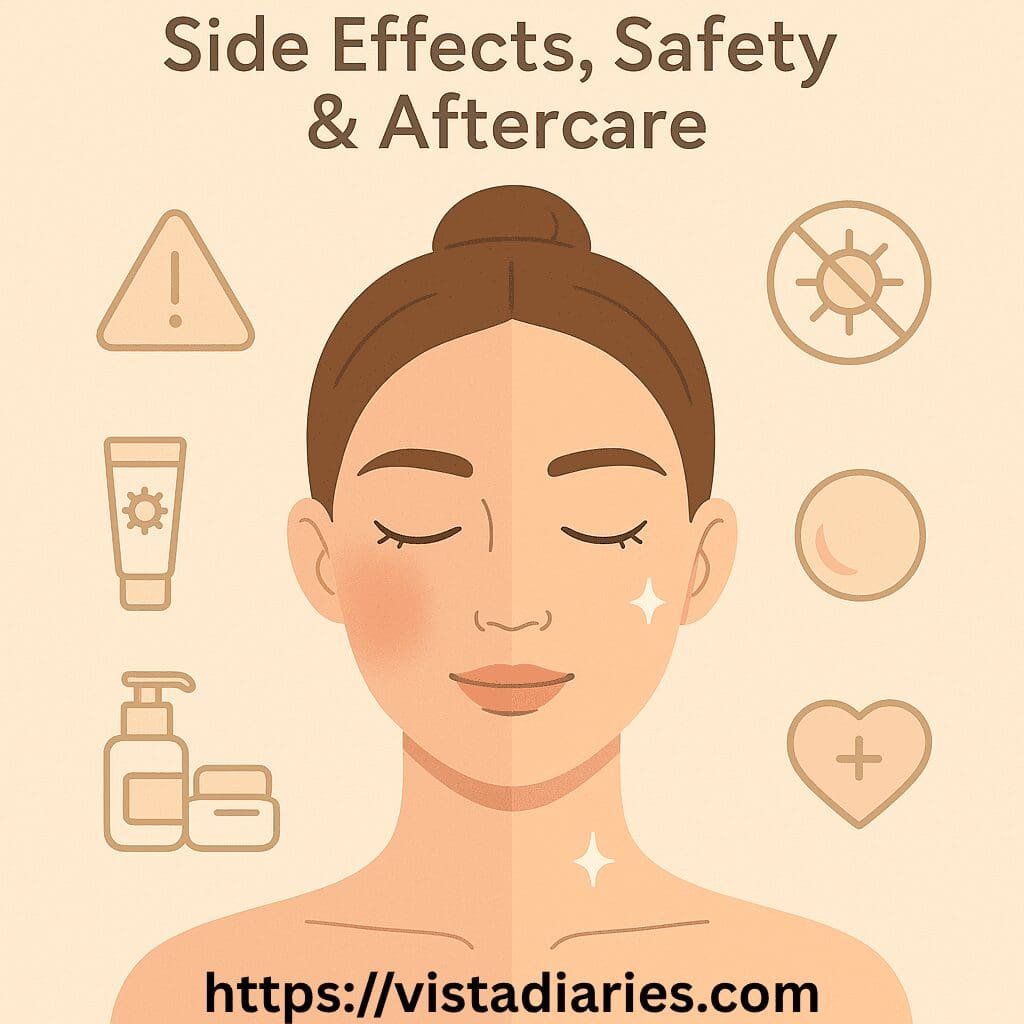
Like any chemical peel, lactic acid peels are associated with side effects. These include the following short-term reactions: redness, stinging, dryness, slight peeling, or sun sensitivity. Is a lactic acid peel safe for the skin? The answer to this question is that a lactic acid peel is effective when applied at the right strength to the right skin type, provided it is done with proper guidance and supervision. Knowing how to apply a peel properly, or applying a strong peel without understanding the precautions involved in using them, is damaging the skin barrier.
Lactic acid peel aftercare is essential and cannot be skipped.
- Use a non-foaming cleanser without splendor.
- Use a hydrating serum and barrier-repairing moisturiser.
- It is recommended to avoid scrubs, retinoids, and other acids for a few days.
- Wear broad-spectrum SPF daily because your skin is going to be sun-sensitive
Real Lactic acid peeling results accumulate over several sessions. Progressive Brightening, Smoother skin, and more definition – not an overnight instant new skin.
Final Thoughts
A lactic acid chemical peel is one of the most innovative ways to enhance your skincare routine if you don’t want an intense treatment but still want to improve. Whether you opt for a professional lactic acid facial peel or carefully apply it at home, focusing on the correct strength, slow frequency, and proper aftercare is key. That’s what makes the balance between lactic acid particularly effective in making the stuff nothing more than one more buzzword in your skin glossary, but indeed, a real skin brightener.